Miracle, or Just Nature Doing Its Job? What Actually Happens on a Retreat
People come back from a good retreat and reach for the word miracle. I understand the reflex, but I want to take it apart, because the truth is better than the mystery. What happens isn't supernatural. It's what a body does when you finally give it the conditions it's been asking for. That's not less impressive. It's more, because it means it's available to you and it's real.
So here's what actually happens, without the fog machine.
Day one: nothing, on purpose
You arrive wired. Most people do — the travel, the deadlines you cleared to get here, the low hum of a life left on pause. The first day is deliberately soft. A welcome circle so you know who you're in this with. A gentle, restorative session to get you out of your head and into the room. No breakthroughs. The point of day one is just to let your shoulders start coming down from your ears, which for some people takes the whole day.
Days two and three: the body clocks the change
This is when it starts. Mornings begin with movement and breathwork — slow breathing that shifts you toward the recovery state, done properly it can leave your hands tingling and your mind unusually quiet. There's real food, built to steady blood sugar and hormones rather than spike them. And there's space in the afternoons, which sounds like nothing until you realize you haven't had an unscheduled hour in months.
By the third night, almost everyone reports the same thing: they're sleeping like they haven't in years. That's not the miracle talking. That's the nervous system, finally off high alert, doing the repair it couldn't do at home. Everything else builds on that returning sleep.
Day four: the temazcal
This is usually the turning point, and it's the part people struggle to explain afterward. The temazcal is the traditional Mesoamerican sweat lodge — a low dome, complete darkness, volcanic stones carried in glowing, water poured over them until the steam takes the air. It's led by a temazcalero who carries the tradition, not a wellness host with a script. Heat, dark, song, and your own breath. It's built as a death-and-rebirth ritual, and without getting mystical about it, something does shift in there. People go in braced and come out lighter, often in tears they didn't plan on. The heat opens the body. The dark takes away your defenses. What's left is usually whatever you've been carrying.
Days five and six: making it stick
Here's where a good retreat separates itself from a nice week. The last days aren't about peaking higher. They're about integration — an unfashionable word for a simple idea: figuring out how to keep this. A private session to look at what actually came up for you. Practical tools for sleep, stress, and breathing that work in a normal week. A written set of recommendations you take home, and a small ritual kit so the practice has a shape once the jungle is gone.
Because the environment did a lot of the lifting here, and you're about to leave it. The whole point of the last two days is to make sure you don't leave the change behind with the towels.
The food, and the people you're with
Two things people underestimate before they arrive. The first is the food. It's not a punishment cleanse and it's not a spa's idea of virtuous eating. It's built to keep blood sugar steady and give the body what it needs to repair — plant-forward, local, generous. When you stop spiking and crashing on sugar and caffeine six times a day, your mood and energy level out in a way you can feel by the third day. Half of what people credit to the ceremonies is partly just eating like this for a week.
The second is the group. You show up thinking you want to be left alone, and then something happens in a small circle of people going through the same thing that you can't get any other way. Nobody's performing. By the last night, near-strangers are having conversations most people never have with old friends. You don't have to force it. The setting does it for you.
Who it's not for
Let me be honest about the flip side, because a retreat isn't right for everyone or every moment. If you're in acute crisis — an active mental health emergency, something that needs clinical treatment right now — a retreat is not the place, and a good one will tell you so instead of taking your money. If you're after a party with a wellness label, this isn't that either. And if you want a transformation handed to you without doing any of the work, no setting on earth will deliver it. This works for people ready to meet it halfway. That readiness is the one ingredient we can't supply.
So, miracle or nature?
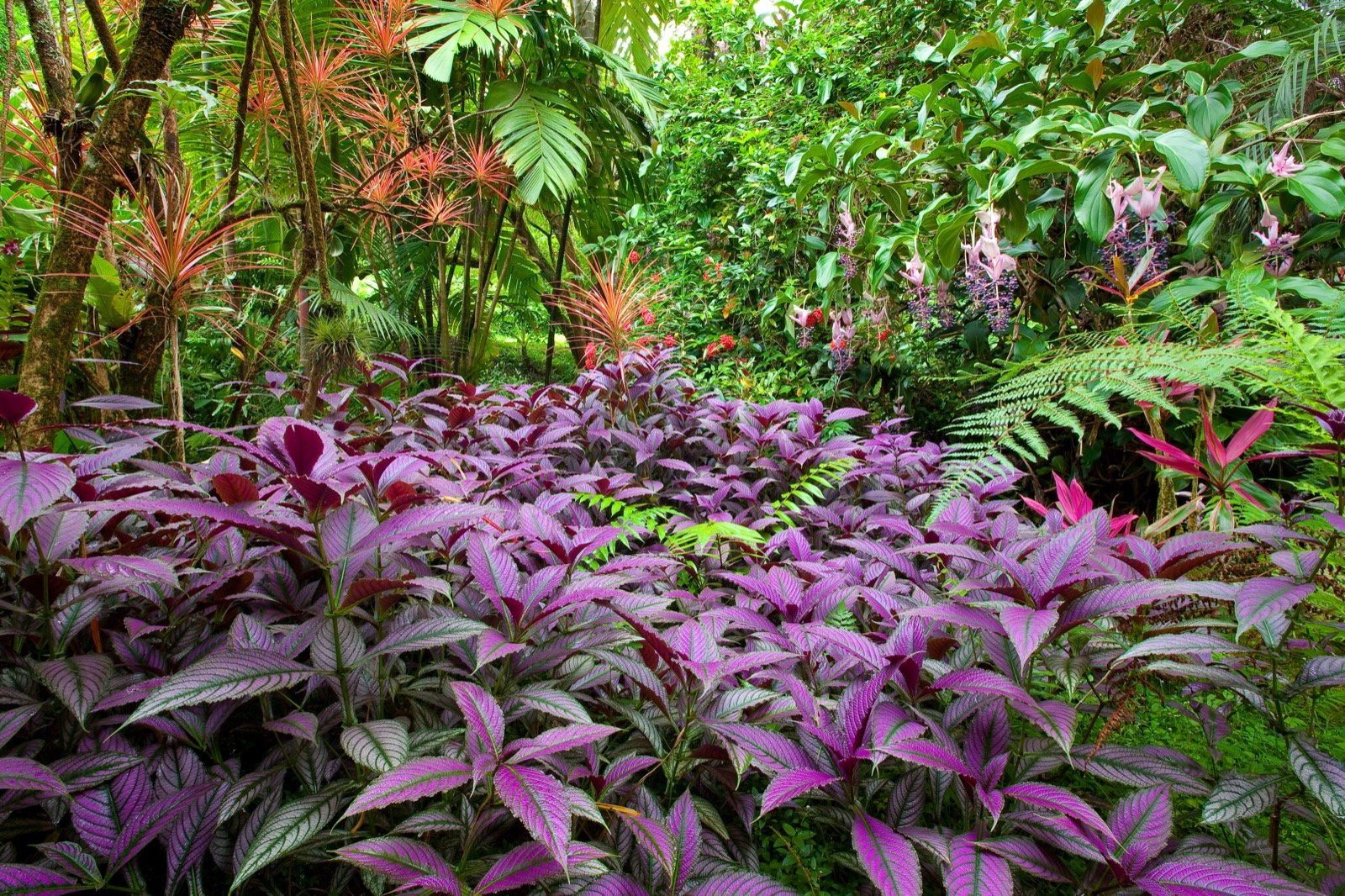
Nature, doing its job, given the chance. Pull a body out of chronic stress, feed it, move it, let it sleep, put it in warm quiet green surroundings, add practices that push it toward recovery — and it does what it's designed to do. It comes back online. The reason it feels like a miracle is only that most of us have spent so long in the depleted version that the healthy one feels foreign.
That's the honest pitch, and I'll stand on it. Nothing here breaks the laws of biology. It just stops fighting them. Six days, and you remember what you're supposed to feel like. The rest is deciding not to forget again.