Why the Riviera Maya Does Something to People
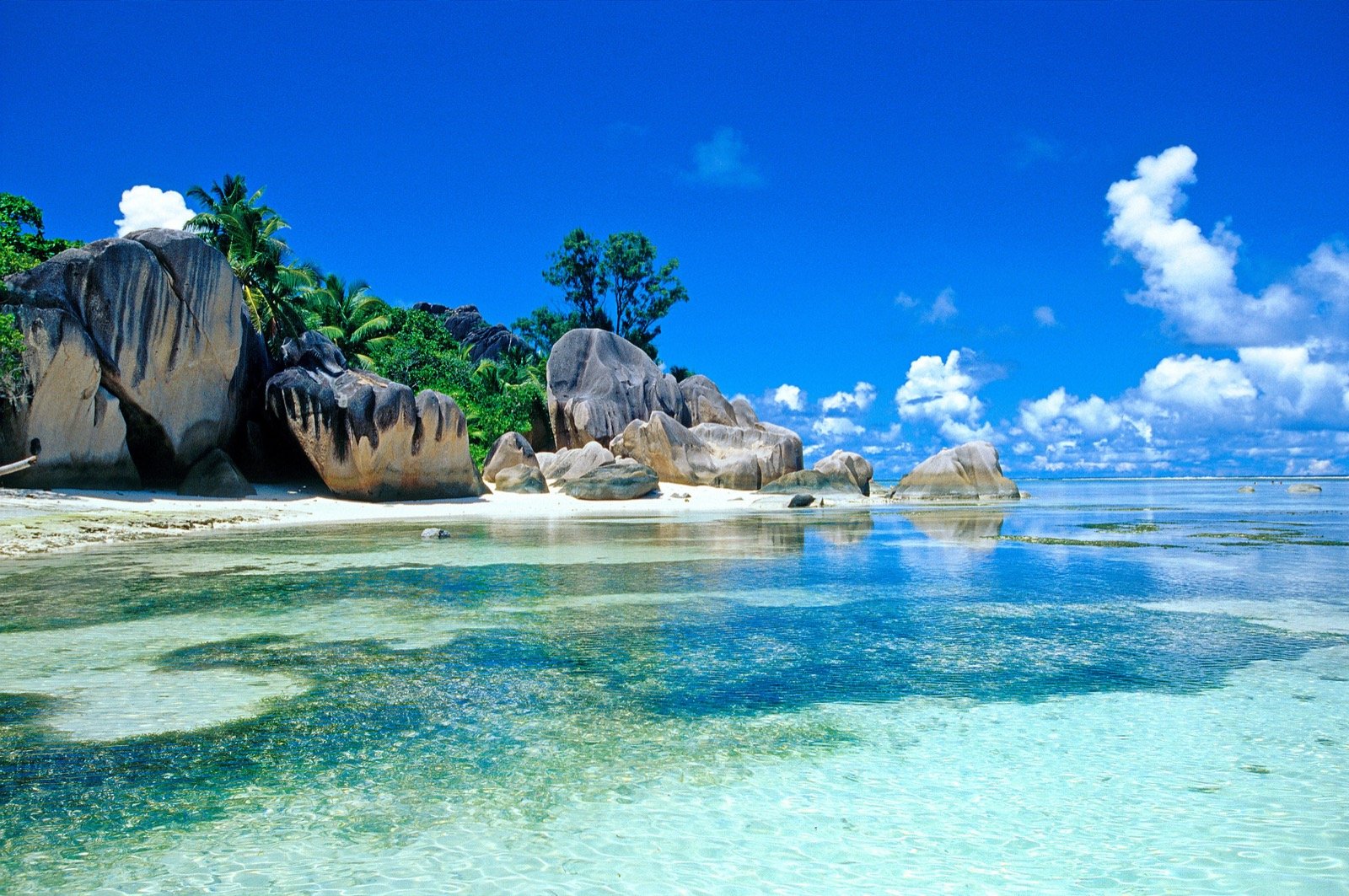
People come back from the Riviera Maya using the same word, and it's not one you'd expect from a beach destination. They say it felt alive. Not "relaxing," not "beautiful" — though it's both. Alive. There's a reason for that, and it has less to do with magic than with geography, though the two are hard to separate once you're standing in it.
Three landscapes stacked in one place
Most places give you one thing. Mountains, or coast, or forest. This stretch of the Yucatán gives you three at once, layered so close you can move between them in a morning. There's the jungle — dense, loud with birds and insects, humid in a way that makes you breathe slower whether you mean to or not. There's the coast, the Caribbean doing that impossible turquoise thing where the water is clear enough to see your own shadow on the sand ten feet down. And underneath all of it, the cenotes.
If you haven't seen one, a cenote is a sinkhole where the limestone roof collapsed and exposed the underground rivers running through the whole peninsula. The Maya considered them sacred, entrances to the underworld, and you understand why the moment you climb down into one. The water is cold and so clear it looks like air. Light comes through the openings in shafts. It's silent except for the drip of water off stone that's been there longer than any of us can hold in our heads. You get in, and something in your chest lets go.
Why the environment isn't just scenery
Here's the practical part, because I'm wary of talk that floats off into vibes. Environment is an input to the nervous system, the same as noise or light or a screen. Your body is reading its surroundings constantly and adjusting. Put it in a city and it stays braced. Put it under a jungle canopy with warm humid air, birdsong instead of traffic, and nothing asking anything of you, and it starts to stand down.
The heat helps more than people expect. Warmth relaxes muscle, and there's a reason the traditional temazcal — the Mesoamerican sweat lodge — sits at the center of the healing culture here. Heat, dark, steam, and the body opens. Then the cold shock of a cenote right after. That swing between hot and cold is one of the oldest tools there is for waking up circulation and mood, and here it's not a spa gimmick. It's just what the land offers.
The Maya knew this ground
None of this is new. The people who lived here for thousands of years built their ceremonial life around these exact features — the cenotes, the caves, the specific plants, the temazcal. They read this landscape as a place of transition, where you go to shed something and come back changed. That's not marketing language borrowed after the fact. It's the older meaning of the place, and it still holds when you're standing in it at dawn with the mist coming off the water.
We work with that rather than around it. The temazcal ceremonies here are led by a temazcalero who grew up in the tradition, not a facilitator who took a weekend course. The difference is obvious the moment it starts.
A morning here, in specifics
Let me give you the texture instead of the concept. You wake before the heat, around six, to birds that don't care whether you slept well. The air is already thick and warm. You walk to an open-sided space with the jungle pressing in on three sides and move through slow breath and gentle stretching while the light comes up green through the canopy. Breakfast is fruit at a ripeness you've never had at home, eggs, good coffee, most of it grown close to where you're sitting. Nobody's on a phone. There's nowhere to be.
By mid-morning you might be lowering yourself into a cenote, the cold taking your breath, the water so clear you feel like you're floating in glass. The afternoon is yours — a hammock, the beach a short ride away, a book you actually finish for once. Evening brings a ceremony, or a sound session, or just dinner and the kind of conversation that only happens when everyone's defenses are already down.
And here's what we tell every guest plainly: this is not a resort. A resort is built to entertain you and keep you spending. This is built to do the opposite — strip out the noise until there's nothing left between you and your own nervous system. No swim-up bar, no packed activities board designed to distract you. The luxury here is subtraction. Fewer inputs, better ones. Most people find that strange for about a day, and then they don't want to leave it.
What it adds up to
You could do breathwork anywhere. You could eat well and sleep well anywhere. What the Riviera Maya adds is a setting that pulls in the same direction as the work, instead of against it. The jungle slows your breathing for you. The water resets your head. The heat opens the body. You're not fighting your environment to find calm — the environment is handing it to you, and all you have to do is stop refusing it.
That's why people say alive. It's the sensory volume of the place turned all the way up, in a body that's finally quiet enough to hear it. Six days of that, and the version of you that got on the plane starts to feel like a stranger — in the best way.